Spring Around the Corner

Today I am home. A day off from working, but still working. My mind and hands are always busy, just a habit I think. Perhaps a habit created by having to work providing an income to put food on the table, clothes on the back and a roof over the head.

Today’s task was planning our garden. The garden is more dual purpose this year than previous years. I have always planted and worked the ground with the end result to be better soil for plants to grow. This year the garden will be larger as the main purpose of this year’s garden is to improve a patch of ground to become better pasture for the sheep.

How can a garden make better pasture? Most people who plant a garden try to keep weeds and grass away from the plants providing the vegetables and fruits for the table and life. A garden can bring new life or renewed life to a piece of ground by what is chosen to be planted and grown.

First the soil type needs to be determined before planting any plant. Some plants like the snugness of clay soils, while other prefer the freedom of sandy soil. The location we are choosing to plant in this year has mostly clay soil. The clay silt particles hold tight together not allowing the moisture to enter and water the thirsty plants that dare to attempt to thrive there. Some of the plants we are planting will force the clay silt particles to loosen their grip and allow the entry of moisture. Plants that perform this duty are radishes, beets, turnips, carrots and other root plants whose roots we consume with our meals.

Some plants love basking in the sun all day. Others are early risers preferring the morning sun over the afternoon. Then there are those plants like to awaken slowly to enjoy the midday and afternoon sunshine. While others prefer to stay in the shadows, the coolness and only get a glimpse of the sun. Corn thrives is the all day sunshine, reaching to join the one who brings it so much joy and growth. Beans and tomatoes prefer to do their sunbathing in the morning sun, letting the shadows keep them cool during the midday heat. Peas like the shadows where there is coolness and moisture.

Plants are various in the soil they like their roots in, the amount and type of sunshine the thrive in. Plants also vary in how heavy of a drinker they are. Some love to drink lots and others want their drink, then time to dry out before they binge on water once more. Placing plants together with soil type and amount of drinking they enjoy is easier on the gardener in the daily task of meeting the individual needs of each plant. Planting a few rows of corn who love the sunshine and the water, then planting a row or two of beans on the east side of the corn. Allows the beans and corn to drink together, then the corn can shield the beans from the midday and afternoon sun.

Plants can be choosing on what plant is its’ neighbor. Carrots like the company of tomatoes. The three sisters always prefer to be planted together, corn, beans and squash. Discovering who like who for a neighbor helps a garden to grow and thrive.

Let us not leave out those plants we love to see in our gardens. The ones with funny stories like the “red cabbage” that was really red brussels sprouts. Or the marigolds who protect the tomatoes from the tomato worm. The lovely bright plants are needed as well as those that provide the food for our table.

Today was planning and ordering seeds. Once the seeds arrive it will be time to plant.

amtolle

February Update of 2024

A life ever changing, a changing life. We are face with challenges and seasons every year, month and day. Strength is gained in challenges. We learn from successes and failures, if we choose to.

Working forty hours per week as posed a challenge to getting other things done. I am glad I participated in Bloganuary again this year. I missed a few daily prompts. I am still trying to read what others wrote in response to the daily Bloganuary prompts. I have lesson time to write, therefore the book I am writing is taking longer, but progress is being made. My goal is to have my first book published this year. I think I will get this goal accomplished.

The You Tube channel my husband and I are starting is still a work in progress. First lesson, it is hard to video with a phone and work the sheep. Second, my phone does not seem to have enough memory for very long videos. Solution, we purchased a video camera we are learning how to operate. There is learning involved in creating an interesting video. We video, watch the video, see our mistakes in recording and video again. My husband and I are having fun working on this project together.

The sheep farm is doing well. Most of our ewes have lambs by their sides. The lambs are growing well. We are close to weaning of the first lambs that were born. The young ewes coming a year old this spring are with a ram. In four to five months there will be some more lambs being born. The two nanny goats we have are getting ready to have their first kids. We sold some older lambs and did well. Hit a day the market was high for selling lambs. We have a few ewes and lambs from this latest group of lambs to be sold in a month. There is a Dorper Sheep show and sale in April we are planning on showing a few of our sheep.

Planting time is around the corner. The garden area is being prepared for plants and seeds. This week I will be starting some plants for future planting. The garden will be larger this year. Part of the reason is there are areas on the farm that needs to have something planted in order to keep the topsoil in place and developing the soil to provide a good grazing area for the sheep. In these grazing areas we will be planting radishes, sugar beets, peas, carrots and other vegetables the sheep enjoy eating. The planting will improve the soil, and provide the sheep with a treat to graze in the summer months.

There are a couple of other projects that we are starting with hopes we can produce an income from these projects. Keep an eye out for the launch of these new projects as well as our You Tube channel.

amtolle

February Happenings

The month of February has been a busy month so far. Besides my job and the sheep there are been some projects that we are working on getting accomplished this year. Managing my time has become a priority this month.

One project is to have our acreage divided and sell a few acres. Since my husband is getting close to retirement, we want the mortgage on our property paid in full. I met with the surveyor after work one day. I spent three hours with him and his assistant finding every pin of the survey of when we purchased our place. Then he sent a purposed plat to me of the area we wanted to divide off and sell. I contacted the County Commissioner for the variances needed to sell the separate piece of land. Once I hear from the County Commissioners on if they approve the variances, then I will take the plat survey to the Land Development Department to pay the variances and replat the property. Once all this is done the surveyor will return and put down survey pins for the piece to be sold. When the final survey is complete, I will contact my friend and real estate agent to list the property for sale. Then I will have to be present for the property to be shown to prospective buyers.

From the sale of the small acreage we will be able to pay off the mortgage and do some work on our home. Our goal is to sell the home and remaining acreage and purchase a place near to my daughter who lives in Texas. This is not a plan that is going to be fast results. It takes time to get work completed. With not a big budget, most of the work will be done by myself. With the extra income from my job, I am able to purchase materials needed to finish the remodeling of our home. The remodeling has to be completed before we can sell the house and property.

Along with the remodeling of our home, one of our trucks broke down and we are getting it repaired. This week I will have to travel to pick up parts and deliver them to the repair shop so our truck will be in running order once more. The other truck needs a new clutch. So, when one truck comes out of the shop, the other goes in. Repairs become necessary when vehicles get 200,000 or more miles of use. We have done maintenance on the vehicles to keep them in good running shape, but parts wear down and need replaced. We would like to purchase a newer vehicle, but with the cost of vehicles, that is not going to happen for a while. The repairs are less money than the purchase of a newer vehicle.

Yesterday, I planted some tulips and onions. I should have planted the tulips a few months back. Since I stored the tulip bulbs in the refrigerator, they will still bloom. The onions will grow as well. I plan on planting one vegetable in the garden each week. I will not be starting my plants from seeds this year. I just do not have time to start the tomatoes and pepper plants from seed. I will purchase plants from the nursery for this year’s garden. Spring will be here soon, then summer. I want to have fresh vegetables for the table. I would like to be able to can some pickled beets and pickles this year for Christmas gifts.

This year is going to be a busy year as we prepare for retirement and wanting a larger place to raise more sheep to supplement our retirement income. Being closer to family is important as we want to share time with grandchildren and loved ones. Teaching the grandchildren about farm life and the love of animals brings us both joy.

amtolle

February Garden Prep

For those of us who live in Texas and some southern states it is time to start thinking about the spring garden. In Texas I grow two gardens – a spring garden and fall garden. I start planting the spring garden the last week of February thru the first week of April.

The first planting in the ground is of peas, brussels sprouts, radishes, green beans and plants that like cooler temperatures to grow and produce. Before I can plant seeds I need to get the planting area ready. I used a raised bed system of gardening due to the coastal grass that will take over a garden planted in the ground. Those who plant at ground level, now is the time to start tilling and raking to remove the coastal grass that invaded the garden last year.

As I begin to prep my garden area, I am deciding where I am going to plant each plant. I rotate the places where I planted squash and cucumbers to keep the squash beetles at a minimum. Planting squash and cucumbers in the same place every year increases these pesky insects that can kill the squash plant and shorten your harvest. The beds need additional nutrient rich material added, either compost or in my situation sheep manure. I usually add the sheep manure after I have pulled the plants from the fall garden. Adding the manure in the fall allows the natural elements to break down the manure releasing the nutrients for the plants.

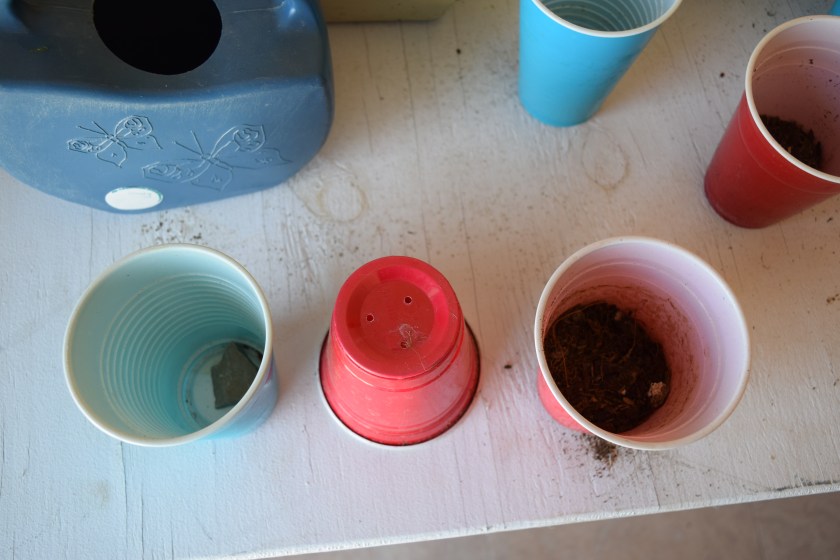
The time has arrived to start the tomato plants inside. I use a two “solo” cup method of starting tomato plants inside. One cup has a rock in the bottom and is used for letting the water drain from the cup holding the soil and seed that will eventually be a tomato plant. The cup that I will put the soil in and plant the seeds has small holes in the bottom allowing for drainage. Seeds and plants will die if there is too much water. I fill the cup 1/2 full of soil for tomatoes, peppers and eggplant seeds. I use potting soil or seed starter as soil when I am starting seeds inside. I do not reuse the starting soil as the nutrients are mostly gone. Using fresh potting soil or seed starter helps my seedlings get a good start before placing them in the garden.

A picture showing the two cups I use for starting seeds.

After the seeds sprout, I will gently add more soil to the cup. Doing this creates a good root system for the seedling to grow into a plant once placed in the soil outside. When the time comes to plant outside, the cup has been filled to 1/2 inch below the rim with soil.

Cups with various stages of tomatoes starting to grow.

Punxsutawney Phil may have forecasted six more weeks of winter, but spring will arrive and I want to be ready for a summer and fall harvest of fresh vegetables for my table.

amtolle

Thankful for My Garden Spot

This year for the month of November, I am selecting one thing to be thankful for each day. Today, I am thankful for my small garden spot, my happy spot. This year there were some surprises.

One surprise was the “red cabbage” that was actually red brussel sprouts. The few tiny brussel sprouts I did harvest were put into a stew for us to enjoy. Although I did not get much of a harvest from the red brussel sprout plants, I did enjoy their beautiful grey green foliage with purple veins, and tall upright growth. I received joy from the beauty of the plant itself.

There was an abundance of sweet basil, planted from seeds produced from last year’s plant. The seeds, unknown to me they were there, sprouted and grew throughout my garden area, adding a sweet aroma when I worked in my garden.

For the first time I planted butternut squash. I only planted one hill of three seeds, of which one plant emerged from the soil. This wandering plant produced over two dozen squash. I explored various recipes for preparing and cooking butternut squash. My husband and I have enjoyed this new addition to our menu plans. I have plenty preserved in the freezer to last until next year.

This year I experimented with a different style of planting corn. The corn grew well, adding height to my garden vegetation. There were multiple cobs on the stalks during the time of pollination. Unfortunately a gate was left open allowing a horse to enter my yard and garden spot. The horse enjoyed the tops of the corn stalks, eating the sweet source of pollination. I harvested several corn cobs, without any corn kernels. Overall this experimental planting style would work in my garden spot, just have to keep the horse out during pollination time. I did cut the stalks to give my sheep a sweet treat.

The summer squash and yellow squash I plant every year did well. I received plenty of squash for our summer meals and to preserve for winter meals. Like the butternut squash, I only planted one hill of each type of squash due to not have more room for planting.

The radishes and bell pepper continued to produce all summer adding bits of flavor to the dishes I prepared. The tomatoes did not do very well. Since I raised the tomatoes in containers, I think the soil was tired. I will be emptying all my containers this winter, and refilling them with new soil next year.

This fall I have planted onions in the small garden and will be experimenting with my first planting of sweet potatoes. This will be my first year having a fall garden, not just a plant or two.

Overall, my small garden provided well for us. I enjoy the birds and butterflies I who come to visit. The multiple colors of blooms and foliage that pleases my eyes. I am thankful for my small happy spot of a garden.

amtolle

Butternut Squash

This spring I planted one butternut squash. The plant grew, had long vines and produced fruit. The vines took in an area of approximately 15 feet by 15 feet. Along the vines, about two feet apart were squashes. From this one plant we harvested 22 butternut squashes.

This is the first year I have planted butternut squash. The plant was easy to grow, although it grew to more space than the seed packets stated was needed for the plant. The plant required moderate watering, the same as other squashes I have grown.

Butternut squash is ripe and ready to pick when it turns a buff orange color. The fruit is hard and does not fully ripen until late August into October. I have plenty Butternut squash. One Butternut squash is two meals for my husband and I.

In order to make the most of my harvest I have been cooking and baking with the squash. I also have been freezing it. Some I cut into 1 inch cubes and place 2 cups per freezing bag. There are some freezing bags I have placed 2 cups of shredded butternut squash to use for baking recipes and making butternut fritters.

Since my family did not grow Butternut squash, and this my first year, I had to do searches for recipes on how to prepare and cook the squash. One place I go to look for recipes is allrecipes.com . I have found recipes for preparing any type of meal or side dish and desserts. I found a really good butternut recipe for butternut squash fritters . These fritters are delicious and very easy to prepare for my family.

While doing my search for recipes I discovered another website for recipes – https://www.skinnytaste.com . This site has abundance of recipes. I will be going back to this website in the future. I used one of the recipes for making squash fries and another for making a dish for breakfast. I was delighted with both.

Learning to grow something new, and then cooking something new. The butternut squash was a great experience. The accidently planted brussel sprouts, I enjoyed the plant and its foliage. But I am going to have to study on how to grow this awesome looking plant to receive a harvest.

amtolle

Red Cabbage of 2022

This year I purchased seedling plants from a nursery for my little garden spot. One type of plant I wanted to purchase was cabbage plants, and I am fond of red cabbage. Red cabbage does not taste any different, but the plant has purple leaves. Adding a little bit of different color to the garden. I purchased four “red cabbage” plants.

At home I started transplanting the seedlings and noticed a stake stating what type of plant was in the little planter. While I had picked up the plants in the area marked cabbage plants, the identify stake said red brussel sprouts. I had purchased four red brussel sprout seedlings. Now my husband has a joke on me, my “red cabbage”.

We love to eat brussel sprouts, but I have never grown brussel sprouts. Other than photographs on the internet and in a book, I have not seen a brussel sprout plant. This year would be a learning year for my “red cabbage” aka red brussel sprouts.

Well, the foliage and the plant are beautiful. A definite plant for adding to the garden in 2023. I learned brussel sprouts need full sun. I planted them where they get a lot of shade, since I thought I was planting cabbage. Brussel sprouts are large, tall plants – the area I planted them in I did not give them enough room to grow. The two placed in pots, they are struggling to survive. I had successfully grown cabbage in those pots, but brussel sprouts needed more room for roots. The brussel sprouts I harvested were very small. They taste good. But without the proper growing environment, the fruit was stunted.

Next year, I will use my knowledge gained, purchase more red brussel sprouts and work at a better crop.

When we try new things or are placed in a new situation, things do not always turn out like we think they should. It does not mean we are not where we are supposed to be. There are lessons we need to learn. Success is from gaining knowledge and overcoming. Knowledge is acquired through learning. I learned about brussel sprouts. I enjoyed the plants in my garden, they gave me joy.

amtolle

Weekend Garden Pondering

Photo by cottonbro on Pexels.com

This weekend, my husband and I have been thinking and talking about what I should plant this winter. We are beginning to see empty spots in the grocery store, and news outlets say that the problem is going to get worse. This summer and fall, we have been eating from my small garden, mostly squash, as a vegetable for meals. Summer is coming to an end, and soon the squash will also.

I plant a tomato plant, and a few peppers for to grow in the house during the winter months, providing us with a fresh grown treat from time to time. He and I both feel I should plant more, but what and where. I have two windows that provide enough sunlight to grow plants in the winter. The answer to what to plant deals with space. I do not have enough space to grow many plants inside.

His idea is to build a greenhouse of sorts. One thought is to put a small structure up on our cement patio. The sun is strong on the patio and it is protected from the cold north wind. The patio is also fenced so the sheep will not be trying to get into the greenhouse during the winter. If a heater was needed on real cold nights, electricity is available. Or we could set up a “solar heating system” that my cousin designed and see if that would work on keeping the greenhouse warm enough for our Texas winters.

Some vegetables that do well in the Texas climate for winter gardens are cabbage, radishes, beets, turnips, carrots, and potatoes. There are more, I have not grown them. With a greenhouse these plants would thrive. I would also be able to plant peas, as long as I kept the frost away.

I already have a few herbs growing in the window sill of the kitchen window. Herbs are good to grow inside on a window sill as they do not take up much space. Fresh herbs have a stronger seasoning, and I use half the amount called in recipes when I use fresh herbs. Herbs I have growing are rosemary, basil, and oregano. I grow the herbs in disposable plastic cups. Although I never seem to dispose of the cups I use for planting unless they get broken. I use two cups, one for the plant to grow in, a small rock in the second cup used for drainage. The herbs grow well, and I always have them handy for cooking.

I have also grown bell peppers using the same planting system of two plastic disposable cups. The two bell pepper plants produce peppers, although they were a little small, the peppers had strong flavor for seasoning.

Another plant I have done well in growing indoors is leaf lettuce. Last year I grew two types of leaf lettuce in pots. I would cut the leaves to add to our salads. I would trim the larger leaves off the plants, and the plants would regrow in a weeks time. If I put the lettuce in a size larger planting pot, I would be able to grow enough for our eating needs, as we do not eat salads every meal.

And if we did build the small greenhouse, I would be able to grow enough vegetables to keep us going through the winter, then transplant them in the spring into the garden area. Which the garden area is going to be bigger next year.

Just some thoughts and ponderings concerning ways to have a variety of vegetables with the talks of shortages. Also a way to lower our grocery expense with the current inflation, that is said to go higher.

Will keep you posted on our decisions and adventure in growing food for the table.

amtolle

Tomatoes in Winter

Photo by PhotoMIX Company on Pexels.com

There are news stories that tomatoes and products made from tomatoes are going to be in short supply in the United States this year, until the next tomato harvest. Depending on if the drought continues for another year, it may be expensive to purchase tomatoes and tomato products.

Can a person grow tomatoes inside during the winter? Yes. Tomato plants like sunshine. If you have a window that can provide sunshine at least 6 hours a day, you can place a tomato plant by the window to grow. If you do not have a window or place to put a tomato plant, there are grow lights that do not cost very much.

Tomatoes need room for their roots. I plant my tomato plants in a five gallon bucket or equivalent pot. They also like the soil to drain well, meaning the pot or bucket has to have holes in the bottom for excess water to drain out. I have a tendency to over water my tomato plants, even outside I will over water and the plant will wilt and die. To be safe from overwater, do a simple test of pushing a finger an inch below the surface, if the soil is moist – do not water.

Tomatoes are self pollinators, meaning they do not need bees or butterflies to pollinate the flower in order to produce fruit. When you see blooms open, usually in the mornings, gently shake the plant, and let the pollen fall on the flowers to pollinate.

I start my tomato plants by planting a few seeds in a solo cup half full of potting mix. I only fill the solo or plastic cup half full, as tomato plants will form roots along the stem, if the stem touches soil. I wait until the new seedlings are a few inches tall, then very carefully add more soil. By doing this the young tomato plant develops a stronger root system.

Likewise, when I transplant the young, approximately six inches tall plant into the pot or bucket I am going to have it live in, I only have the pot half full of potting mix or soil. As the plant grows taller, I gently add more mix or soil until the soil is two inches from the top of the pot or bucket. When I put the plant in the pot, I add a hand full of crushed egg shells, to help prevent blossom rot on the fruit caused by not enough calcium.

I water and wait for the bloom, gently shake the plant, and wait for fruit.

Bell Pepper plant waiting to be planted outside after growing all winter in the house.

This planting method works for bell peppers, any type of hot peppers. I use an eight inch pot for the peppers.

Eggplants are another night shade classified plant that can be raised inside. I have not grown eggplants inside, but I would start with a 12 inch pot and see how the plant does.

If a plant needs more root room, you can always transplant into a larger pot.

amtolle

Fall Garden Planning

Photo by Greta Hoffman on Pexels.com

Where I live, a person can plant two gardens, a spring garden and a fall or winter garden.

The spring garden is tomatoes, peppers, squash, corn, beans and other vegetables that require warm temperatures to grow and produce fruit. In July these plants in these spring gardens stop producing fruit due to the high temperatures, but will return to production at the end of August when temperatures start dropping. Squash and okra will continue to produce during the hot months of July and August provided the plants are watered regularly.

Fall or winter gardens are for plants who like cool temperatures. We do not get a frost until November and the cold temperatures do not really hit until January. Four to five months of growing cool season plants.

I plant onions in my winter garden, as I cook a lot with onions. Easy to plant and grow. They also are planted in the spring garden, after the cold weather in February. I also start planting radishes and beets. For me, beets grow better in a fall/winter garden than they do in a spring garden, although they can be planted in both seasons.

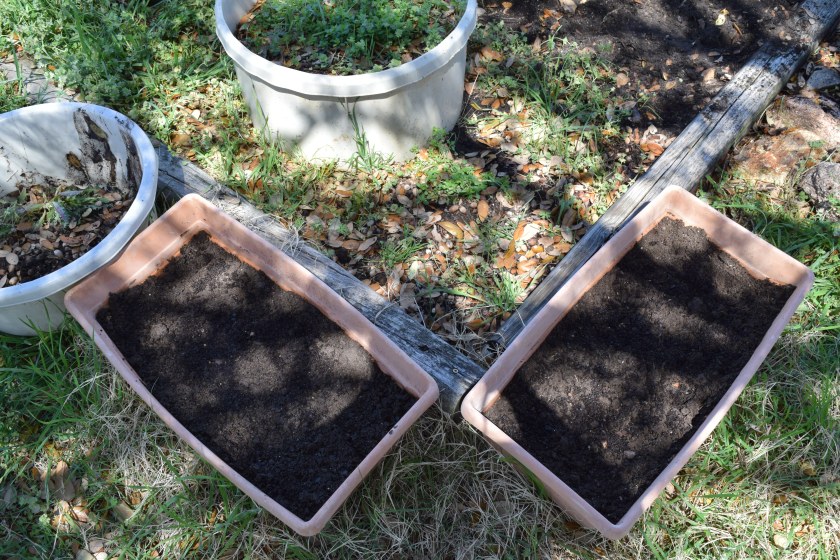
Radishes grow well year around, except in the strong heat of summer. The strong heat is hard on the seedlings, so during July and first part of August I do not plant radishes. I love radishes, you plant the seed and in 21 to 30 days you have radishes to enjoy. I plant my radishes in two rectangular planters, varying the plant times for a continual harvest. In the spring, I dump out the planters, adding new soil and compost for another year of radishes.

This year I am wanting to add more to my fall/winter garden than the usual radishes, beets and onions. Area gardners do well with cabbage. We like eating cabbage. I am planning on a few cabbage plants.

I am going to experiment with peas. For the spring garden, peas have to be planted the end of February in order to produce fruit before the heat. I am thinking of planting peas at the end of August, and see if I get more fruit before the cold arrives in November that would kill the pea plant. I am also going to mulch or cover with straw to help prevent the cold from reaching the plants.

Gardening is an adventure. The one thing I have enjoyed about moving to Texas is the gardening. Being able to grow a garden year around providing fresh vegetables is a pleasure and blessing. We enjoy eating fresh home grown vegetables.

Anyone can learn to garden. Most people struggle with growing plants due to the watering. I do the simple “finger test” when it comes to if a plant needs water or not. I place my finger an inch or up to the first joint into the soil. If the soil is moist, I do not water. If the soil is dry, I water.

The second reason for a struggling plant is the amount of sunshine. Plants that love the shade struggle growing in full sun. Plants that love the sun, struggle growing in the shade. Learning the sun/shade requirements of plants helps the gardener.

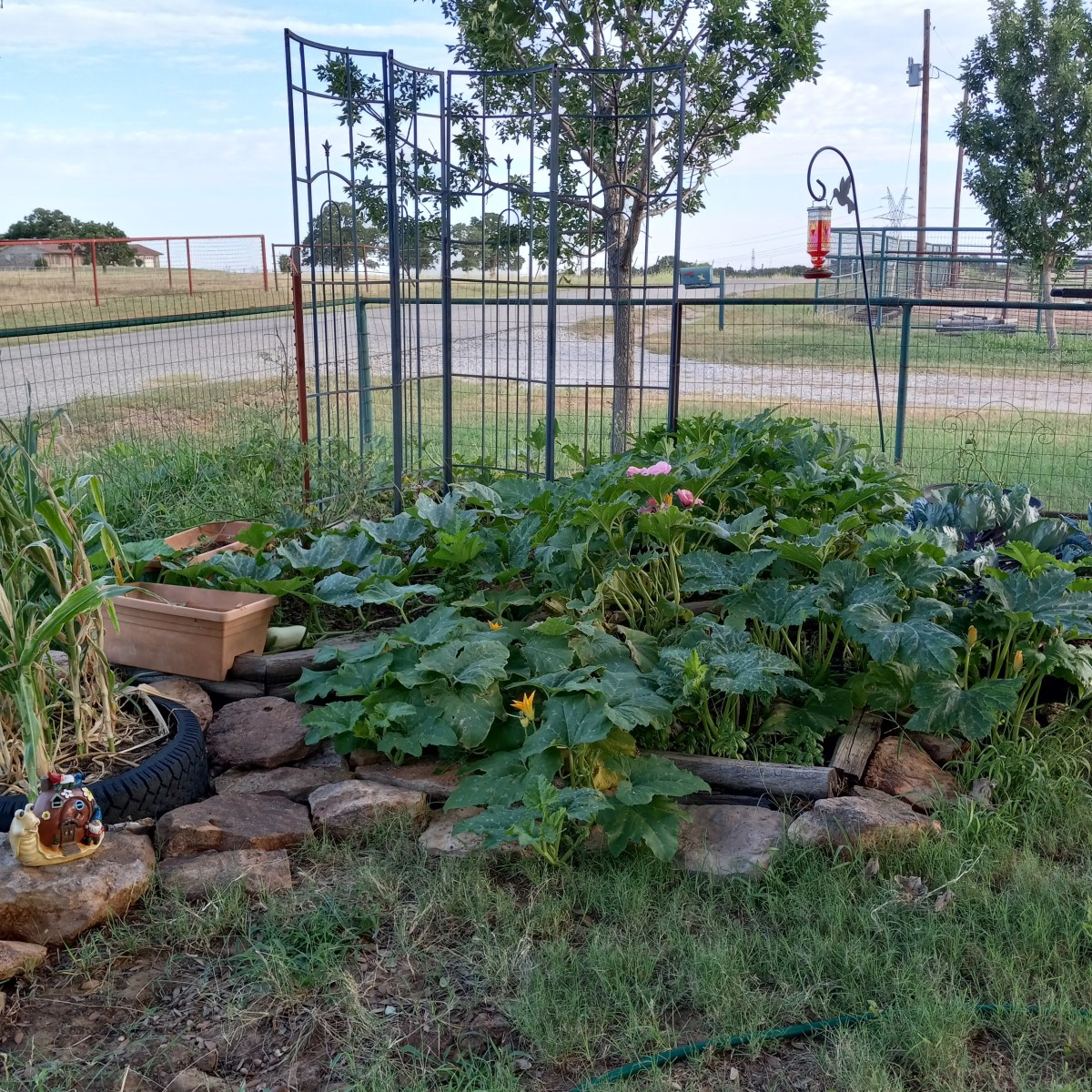
This year, my corner garden was planted near an oak tree, getting late morning and midday shade. Having shade during these times helped the sun loving plants to be cool during the strong heat of June and July. It saved on water use and the plants seemed happier.

The third element to growing a really good garden or plants, is to talk to your plants. This is not an old wives tale, it is a fact of science that talking to your plants helps your plants. Going out at least once a day to talk to your plants helps them to grow. The reason, observation. If you are looking at your plants once a day, you can observe how they are growing, see if they need water. Additional benefit, you relax while talking to your plants.

Do not be afraid to step out on an adventure of gardening or growing plants.

amtolle